Ontario's four-season climate puts commercial parking lots through more stress than most climates. A structured maintenance schedule prevents small problems from becoming expensive repairs and keeps your property compliant and professional-looking year-round. Here's how to structure your annual lot maintenance program.
Spring (April–May): Assessment and Repair Season
Spring is the most important maintenance window. After a winter of freeze-thaw cycles, snowplow contact, and road salt, your lot needs a thorough assessment before the paving season opens.
- •Walk the entire lot and photograph all cracks, potholes, and surface deterioration
- •Assess line marking condition — note faded, chipped, or missing markings
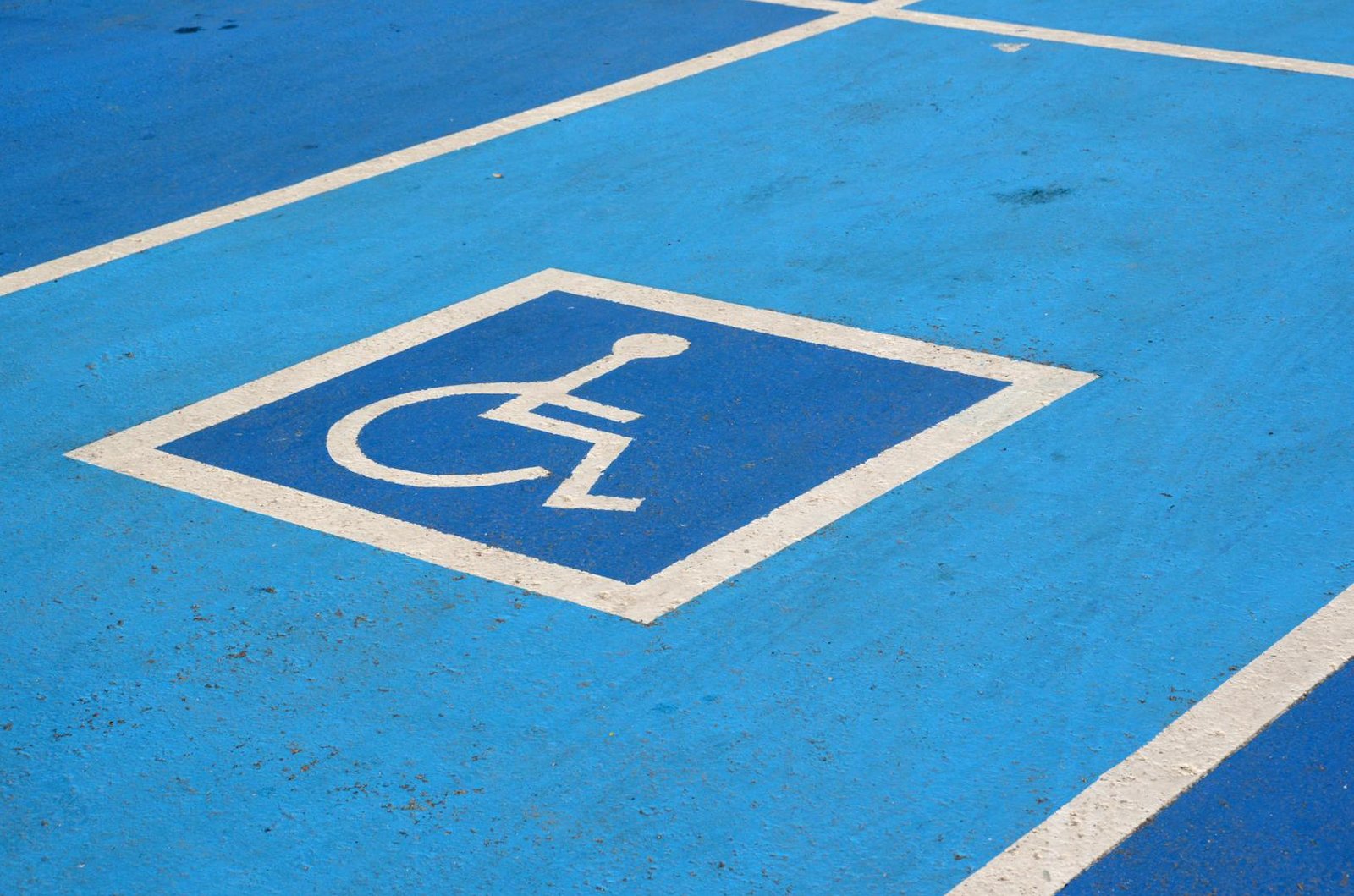
- •Check all accessible stall markings and signage for AODA compliance
- •Verify fire route markings are visible and complete
- •Schedule crack filling for any new or widened cracks (wait until pavement temperature is consistently above 10°C)
- •Plan sealcoating if it's been 2–3 years since the last application
Early Summer (June): Sealcoating Window
June through August is the optimal sealcoating window in Ontario. Sealcoating requires sustained temperatures above 10°C and dry conditions for 24–48 hours after application. Early summer avoids peak heat (which can cause sealcoat to bubble) and gives the surface maximum cure time before fall.
- •Complete crack filling at least 2 weeks before sealcoating (allow sealant to cure fully)
- •Power sweep the surface immediately before application
- •Schedule sealcoating during a clear weather window — at least 24 hours dry before and after
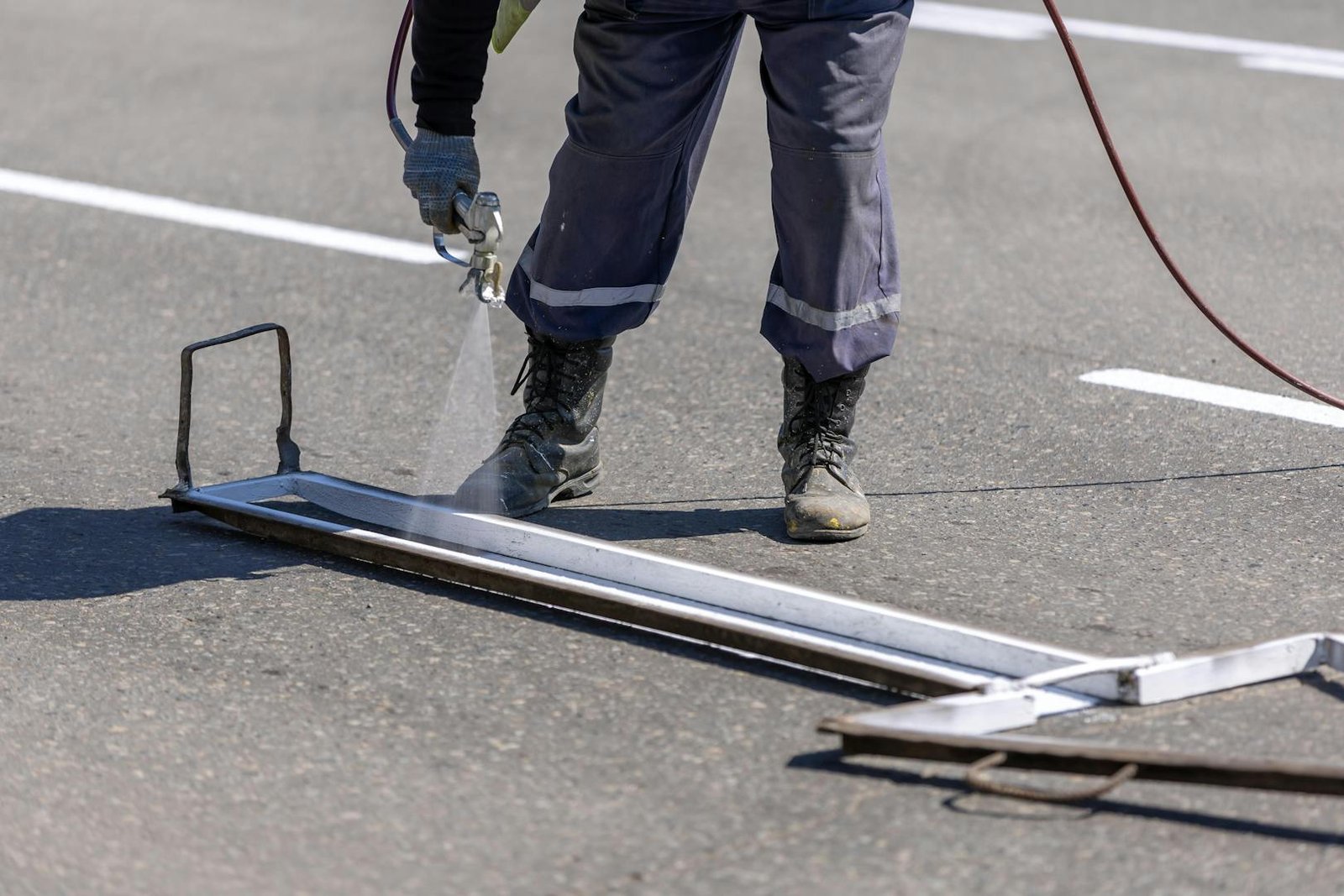
- •Re-stripe immediately after sealcoat cures (typically 24–48 hours)
Late Summer / Early Fall (August–September): Re-striping Window
If you're not sealcoating this year but your line markings are faded, late summer is the ideal re-striping window. Warm, dry conditions allow paint to cure quickly and properly bond to the surface.
- •Re-stripe any faded or missing stall lines, arrows, and crosswalks
- •Repaint fire route text and no-parking markings
- •Refresh AODA accessible stall markings and access aisle hash lines
- •Add or update any new directional or specialty markings
Fall (October–November): Pre-Winter Preparation
Before freeze-up, address any remaining surface damage to prevent water infiltration and winter crack propagation.
- •Fill any new cracks before ground freeze (last window before spring)
- •Remove debris and leaves that trap moisture against the asphalt
- •Ensure drainage is clear — blocked drains cause water pooling and accelerated freeze-thaw damage
- •Brief your snow removal contractor on lot markings to minimize plow damage
Winter (December–March): Monitor and Document
Proactive maintenance isn't possible once the ground is frozen, but this season is valuable for documentation and planning.
- •Photograph new cracks and damage as they appear
- •Note areas where snowplow damage has occurred
- •Plan and budget next year's maintenance program
- •Request quotes for spring crack filling and sealcoating in January–February to secure your preferred contractor's schedule
Multi-Year Maintenance Cycle
A well-maintained commercial lot should follow a roughly 3-year cycle: Year 1 — crack fill and re-stripe. Year 2 — monitor and spot treat. Year 3 — sealcoat, crack fill, and re-stripe. This cycle extends pavement life significantly and is far more cost-effective than deferred maintenance followed by expensive repairs.