Ontario's climate is among the most demanding in North America for commercial pavement — 50–80 freeze-thaw cycles annually, road salt, UV oxidation, and heavy traffic. This checklist gives property managers a systematic seasonal framework for maintenance decisions.
What Does Parking Lot Maintenance Include?
Commercial parking lot maintenance includes seasonal crack filling, sealcoating every 2–3 years, annual line re-striping, AODA accessible stall inspection, drainage checks, pothole repair, and signage updates. Ontario's freeze-thaw climate makes spring and fall inspections the most critical timing for catching winter damage before it worsens.
Why Parking Lot Maintenance Matters for Ontario Properties
| Maintenance Action | Typical Cost | Extends Life |
|---|---|---|
| Annual crack filling | $500–$2,000 | 3–5 years |
| Sealcoating every 2–3 years | $1,500–$9,000 | 3–5 years per cycle |
| Full lot re-striping | $600–$2,500 | 1–2 years |
| Full lot repaving | $30,000–$150,000+ | 20–25 years |
Proactive maintenance programs typically defer repaving by 10–15 years. For a medium-sized Ontario commercial lot (15,000–25,000 sq ft), that's a $50,000–$100,000 capital expense deferred.
Spring Inspection Checklist (April–May)
Spring is the most important maintenance window. Winter damage accumulates under snow and ice — spring thaw reveals the full extent.
- •Walk the full lot perimeter and surface; photograph all damage
- •Identify and flag cracks wider than ¼ inch for filling
- •Note any areas of alligator (map) cracking — may indicate base failure
- •Check for frost heave or subsidence (depressions, raised areas)
- •Clear all catch basins and storm drains of winter debris
- •Check for standing water after rain (ponding indicates drainage failure)
- •Assess visibility of all painted lines — stalls, arrows, fire routes, accessible stalls
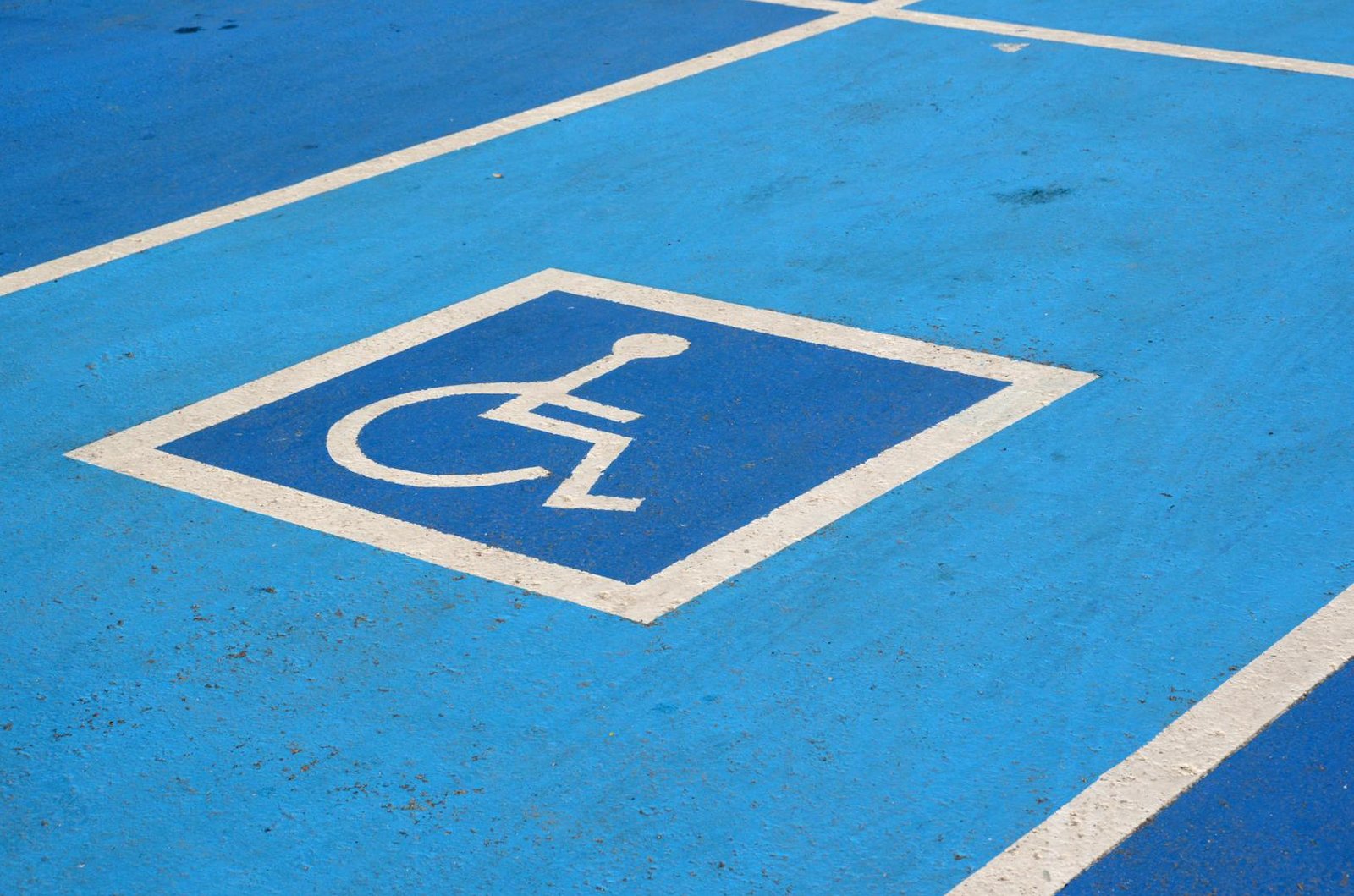
- •Check AODA accessible stall ISA markings for legibility
- •Inspect all accessible parking signs for damage, fading, or displacement
Spring action thresholds: cracks ¼ inch or wider → schedule crack filling immediately. Lines at 50% or less visibility → schedule re-striping May–June. Sealcoat 3+ years old and showing oxidation → schedule sealcoating for June–August window.
Summer Maintenance Checklist (June–August)
Summer is the optimal window for sealcoating and major maintenance work — temperatures above 10°C, no rain forecast, and long curing windows.
- •Confirm sealcoating is needed (lot oxidized/grey, or 2–3 years since last coat)
- •Schedule crack filling 1–2 weeks before sealcoating (allow sealant to cure)
- •Book sealcoating during a multi-day dry period (minimum 24 hours dry after application)
- •Arrange temporary lot closure or partial-lot access during application and curing
- •Schedule re-striping for the week following sealcoat cure
- •Confirm AODA stall count and dimensions meet current regulations
- •Inspect high-traffic areas for rutting or soft spots from summer heat
Fall Inspection Checklist (September–October)
Fall is your last opportunity for sealcoating and surface treatment before Ontario winters arrive.
- •Identify any unsealed cracks from spring — fill before freeze (water infiltration + freeze = crack expansion)
- •If sealcoating was not done in summer and lot is oxidized: last window is October (above 10°C required)
- •Clear all catch basins before winter to prevent ice blockage
- •Check that accessible parking signs are secure before snow loading season
- •Brief snow removal contractor on lot markings to minimize plow damage
Winter Operations Checklist (November–March)
- •Ensure snow clearing contractor avoids metal blade contact on freshly sealcoated areas
- •Mark fire routes and accessible stalls with snow stakes so they're not obstructed by plowing
- •Designate snow storage areas away from catch basins and drains
- •Minimize calcium chloride application to asphalt — use sand as alternative for open lots
- •Photograph new cracks and damage as they appear — spring repair scope planning
Annual AODA Compliance Check
- •Count accessible stalls — confirm number meets minimum for your lot size
- •Measure accessible stall width (minimum 2.4m) and aisle width (minimum 1.5m)
- •Confirm at least one van-accessible stall (3.4m minimum) in each accessible area
- •Check ISA surface markings for legibility
- •Inspect accessible parking signs — correct height, correct symbol, stall head location
Non-compliance fine exposure: up to $100,000/day for Ontario organizations. Annual AODA inspection is the best protection against unintentional violations.
Proactive vs. Reactive: The Ontario Cost Case
| Year | Proactive Program | Reactive Approach |
|---|---|---|
| Year 1 | Sealcoat: $3,500 | No action |
| Year 2 | Re-stripe: $1,200 | No action |
| Year 3 | Sealcoat + crack fill: $4,500 | Emergency crack fill: $2,000 |
| Year 5 | Re-stripe: $1,200 | Significant deterioration |
| Year 7 | Sealcoat: $3,500 | Full repave: $85,000 |
| Year 10 | Re-stripe: $1,200 | — |
| Total | ~$19,600 (lot in good condition) | $87,000+ (repaved once) |
Start Your Ontario Maintenance Program
401 Services works with property managers on annual maintenance programs across Southern Ontario.