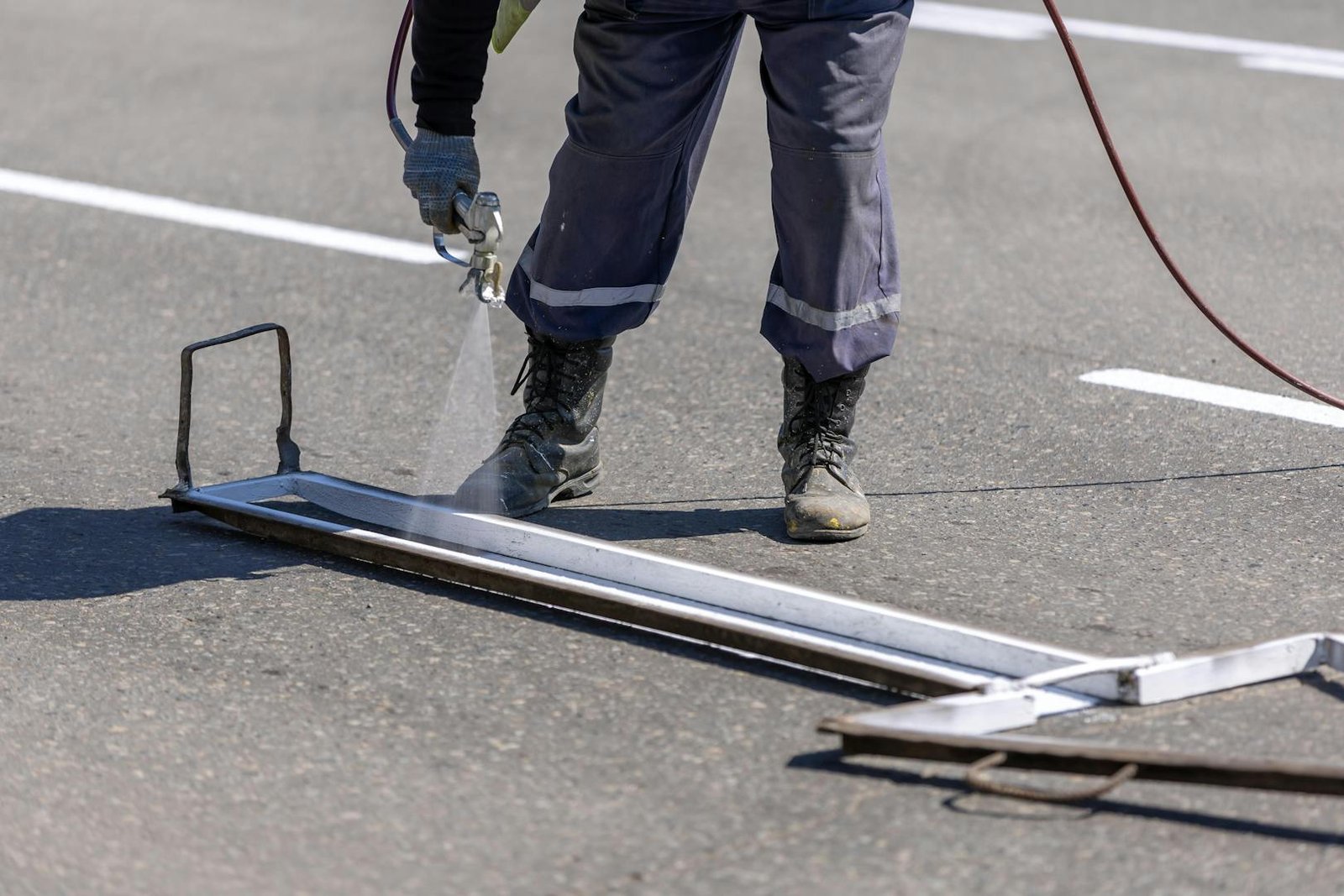
Freshly painted parking lot lines look great — but in Ontario, many commercial lots need re-striping every 1–2 years. For some property managers, that seems frequent. Understanding why lines fade is the first step toward choosing the right approach and getting more life out of your markings.
1. UV Oxidation
Ultraviolet radiation breaks down the binders in traffic paint over time, causing the pigment to degrade and the paint to chalk and fade. This is the baseline cause of line fading in every climate — it's happening whenever the sun shines on your lot. South-facing lots and lots with no shade cover experience more UV exposure and faster fade.
2. Freeze-Thaw Cycling
Ontario's winter freeze-thaw cycles are harsh on surface coatings. When water seeps under or into line paint and freezes, it expands and breaks the paint's bond with the asphalt. Repeated cycling through dozens of freeze-thaw events each winter chips and lifts paint, particularly at the edges of lines. This is why Ontario parking lots often need re-striping more frequently than lots in milder climates.
3. Road Salt and De-Icers
Sodium chloride and calcium chloride de-icers accelerate paint degradation. Salt dissolved in water penetrates the paint film and attacks the binder. Lots that receive heavy winter maintenance — large retail plazas, hospital lots, grocery stores — typically see faster line fade than lower-traffic lots with less salt application.
4. Traffic Abrasion
Vehicle tires directly abrade paint on high-traffic surfaces. Stall lines at the ends closest to drive aisles wear significantly faster than mid-stall areas because tires track across them repeatedly. Turn lanes, drive-through exits, and main drive aisles often need touch-up more frequently than the rest of the lot.
5. Snowplow Contact
Plow blades running against the pavement surface scrape paint — particularly in lots where plows work close to the asphalt rather than floating above it. Discuss plow blade height with your snow removal contractor. Many operators can raise blade height slightly to reduce paint contact while still effectively clearing snow.
6. Poor Surface Preparation at Time of Application
Paint applied to a dirty, oily, or damp surface will fail prematurely regardless of paint quality. Contaminants prevent proper bonding between paint and asphalt. If your lines started fading within months of application, poor surface prep at the time of painting is likely a contributing factor.
How to Extend Stripe Life
- •Sealcoat before re-striping — fresh sealer provides an ideal bonding surface
- •Use higher-quality paint — alkyd traffic paint or thermoplastic for high-wear areas
- •Apply two coats — most professional contractors recommend two passes for better opacity and adhesion
- •Ensure proper surface prep — power sweep and blow the lot immediately before painting
- •Time the application correctly — avoid striping when rain is forecast within 2 hours or when temperatures are below 10°C
- •Raise plow blade heights in winter — reduces direct contact with pavement markings
When to Re-stripe
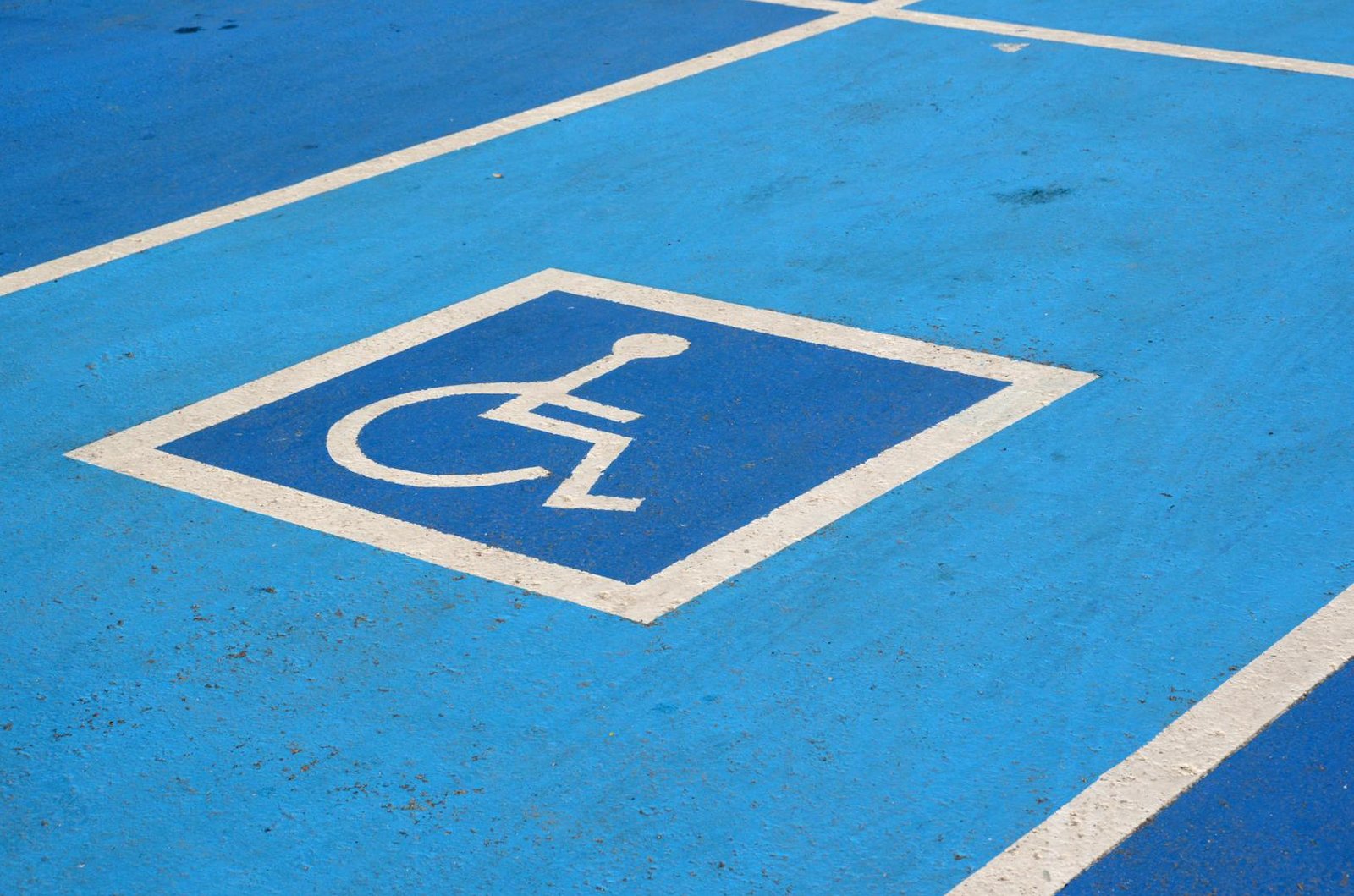
A practical rule of thumb: re-stripe when line visibility is noticeably reduced at night or in wet conditions, or when more than 20–30% of lines show significant fading. For compliant accessible stall and fire route markings, visibility standards are higher — refresh these whenever they're difficult to read clearly.