Fire route compliance is a legal requirement for most Ontario commercial properties — and one that's actively enforced. Non-compliant or missing fire route markings can result in fines, forced closure of parking areas, and liability exposure. Here's what property managers need to know.
What Is a Fire Route?
A fire route (also called a fire access route) is a designated path on your property that must remain clear at all times to allow fire apparatus (trucks, emergency vehicles) to access your building. Under the Ontario Fire Code, property owners are responsible for maintaining fire routes and ensuring they are properly marked.
Does Your Property Need a Fire Route?
Most commercial, industrial, and multi-residential properties in Ontario require a designated fire route. The specific requirement depends on your municipality and building type. Properties typically requiring a fire route include:
- •Buildings that cannot be reached by fire apparatus from a public street
- •Buildings with fire hydrants located more than 45 metres from the structure
- •Buildings over a certain height or floor area (varies by municipality)
- •Properties with specific occupancy types — assembly, institutional, large retail
Contact your local fire department or municipality to confirm whether a fire route is required for your specific property.
Required Fire Route Markings in Ontario
The Ontario Fire Code and municipal bylaws set minimum requirements for fire route markings. Most municipalities require:
- •"FIRE ROUTE — NO PARKING" text stencilled on the pavement surface
- •Red or yellow curb designation (requirements vary by municipality)
- •Signage at all access points to the fire route
- •Stall cross-out markings (large X) on any parking spaces within the fire route
- •Regular repainting to maintain visibility — faded markings do not constitute a compliant fire route
Municipal Variations
While the Ontario Fire Code establishes the provincial baseline, municipalities add their own requirements. Toronto, Mississauga, Hamilton, Kitchener, and Waterloo each have specific fire route bylaw requirements for text size, curb colour, sign specifications, and marking placement. We ensure our work meets both provincial and local requirements for each jurisdiction we serve.
Fines for Non-Compliance
Under the Ontario Fire Code, failure to maintain a fire route is a Provincial Offences Act violation. Fines range from $195 for a first offence to significantly higher amounts for repeat violations or situations where the deficiency contributed to an emergency response delay. Individual vehicles parked in fire routes can be ticketed and towed at the vehicle owner's expense — the property owner is responsible for maintaining the clear path.
Frequency of Re-marking
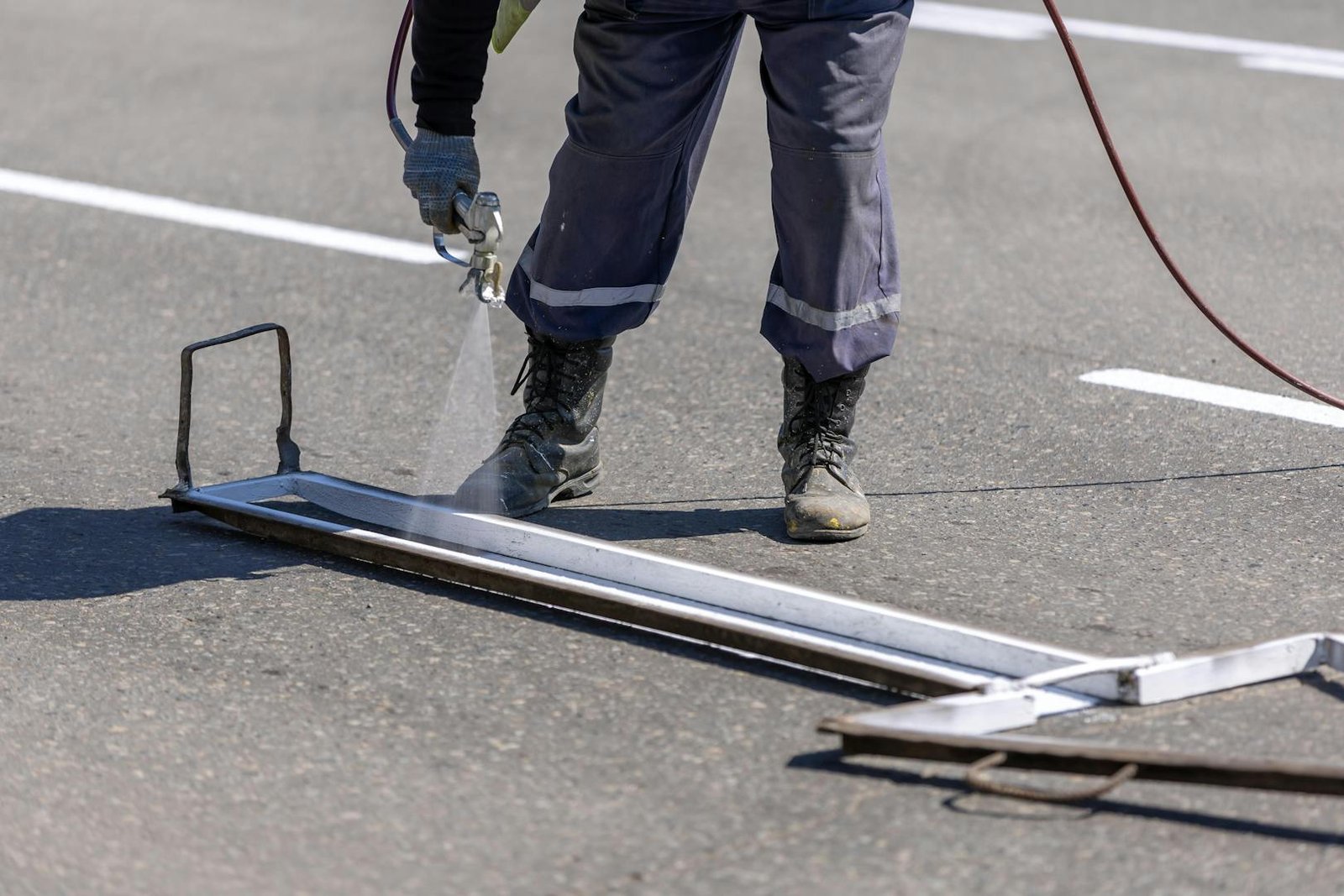
Fire route markings are subject to the same wear as all parking lot line paint. In Ontario's climate, plan to repaint fire route designations every 1–2 years, or whenever markings become faded enough to be difficult to read from a vehicle. Include fire route repainting as part of your regular lot re-striping schedule.
Our Fire Route Service
We paint fire route text, stall cross-outs, and curb designations meeting Ontario Fire Code and local bylaw requirements across our entire service area — Cambridge, Kitchener, Waterloo, Toronto, Mississauga, Hamilton, and the full 401 corridor. Contact us for a free quote.