Ontario's commercial parking lots age faster than most North American climates — 50–80 freeze-thaw cycles annually, road salt, and heavy traffic accelerate deterioration. The challenge for property managers is distinguishing surface cosmetic issues (fixable with maintenance) from structural problems (requiring repaving).
When Does a Parking Lot Need to Be Repaved?
A parking lot needs repaving when more than 30% of the surface shows structural cracking (alligator pattern), when there are multiple potholes and soft spots indicating base failure, or when the Pavement Condition Index (PCI) falls below 40. For surface-level damage only, crack filling and sealcoating can extend pavement life by 5–10 years without full repaving.
Sign 1 — Alligator Cracking (Interconnected Crack Patterns)
Alligator cracking looks like a pattern of small interconnected cracks resembling reptile scales. Unlike linear surface cracks (fixable with crack filling), alligator cracking indicates base layer failure — the asphalt base has lost structural integrity from water infiltration, freeze-thaw damage, or original installation failure.
Action required: A contractor assessment. Areas of alligator cracking typically need to be cut out and replaced (partial repaving). If alligator cracking covers more than 30% of your lot, full repaving is usually the more cost-effective long-term solution. Don't wait — 10% this spring can be 30% after next winter.
Sign 2 — Potholes (Any, Regardless of Size)
A pothole is a symptom of failed base material. Ontario commercial property owners are liable for vehicle damage and personal injury caused by potholes on their property. Pothole repair should happen within days of identification, not weeks. There is no acceptable "monitor this" category for potholes on a commercial lot.
Sign 3 — Oxidized, Grey Surface Colour
Fresh asphalt is deep black. A grey parking lot is oxidized — UV exposure has broken down the oil binders, making the surface porous, brittle, and unable to hold paint. Sealcoating can arrest and partially reverse this process. If you can stand at one end of your lot and the surface looks grey rather than black, schedule sealcoating assessment this season.
Sign 4 — Faded or Missing Line Markings
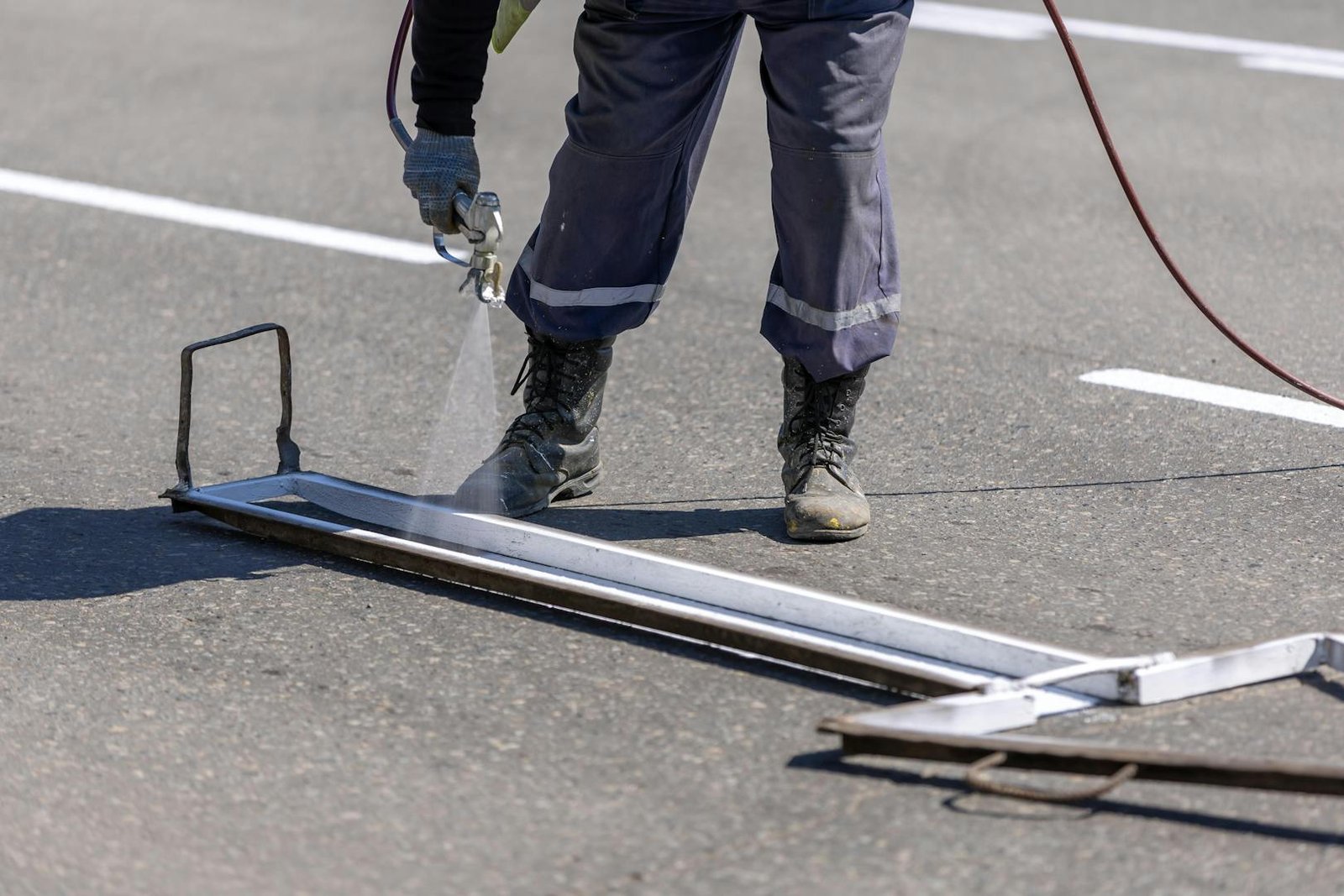
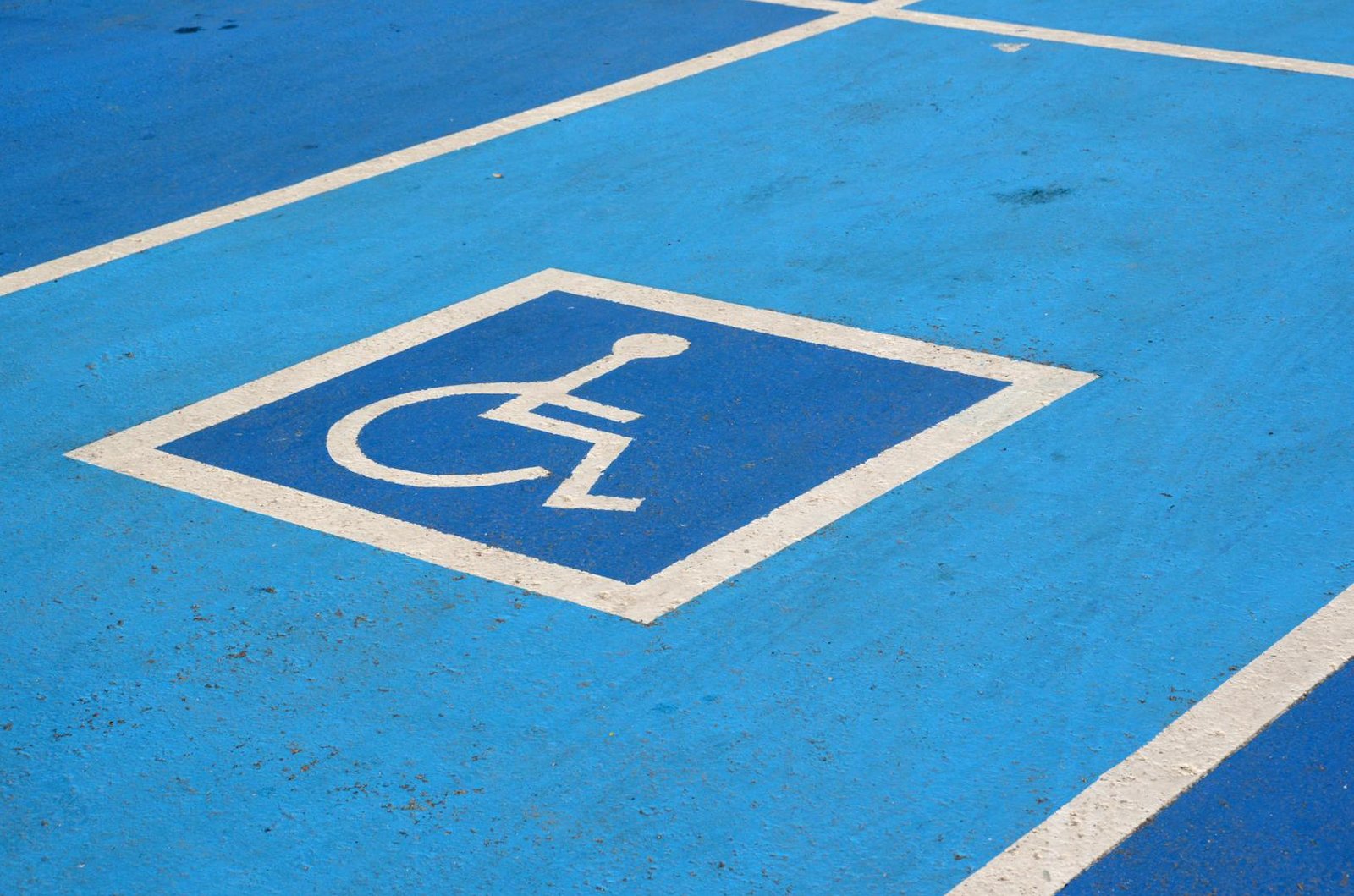
Faded parking lot lines affect tenant experience, AODA compliance (faded ISA markings = potential $100,000/day fine exposure), fire route legibility, and property perception. Re-striping threshold: when lines are at 50% or less of their original visibility when viewed from 10 metres, or when AODA/fire route markings are difficult to read.
Sign 5 — Standing Water After Rain (Pooling)
Proper parking lot drainage is designed into the original paving. When water pools after rain, it indicates surface settlement, blocked drainage, or failed grade. Standing water is the single greatest accelerant of asphalt deterioration in Ontario — it infiltrates micro-cracks, then freezes and expands through winter. A lot with persistent pooling deteriorates 2–3× faster than a properly draining lot.
Action: Clear catch basins immediately. If basins are clear and pooling persists, a contractor needs to assess whether the grade can be corrected with overlay or patching.
Free Parking Lot Assessment
If your Ontario commercial lot shows one or more of these signs, the right step is a professional assessment. Most reputable contractors assess at no charge.
Learn More: Crack Filling vs. Repaving
Not sure which repair approach is right for your lot? Read our decision guide.